


Welding is one of the most hand-intensive trades in the world, and the numbers show it. Across fabrication shops, construction sites, and shipyards, hands are consistently the body part welders injure most — not because welders are careless, but because the hands work inches from an arc that reaches thousands of degrees while sparks, spatter, and invisible ultraviolet radiation rain down on them. Burns, UV exposure, and spatter damage are not freak accidents; they are the everyday hazards of the job. Understanding how each one happens — and what actually prevents it — is the foundation of every hand protection program in welding.
The three ways welding hurts your hands
Most welding hand injuries fall into three categories, and each behaves differently. Thermal burns come from contact with hot metal, radiant heat, or the arc itself. Spatter injuries happen when molten metal droplets land on exposed skin or burn through clothing. UV injuries are different still: the welding arc emits intense ultraviolet radiation that burns skin the way sunburn does — only faster, with no warning tingle until hours later. A welder can finish a full shift feeling fine and discover red, painful “arc burn” on the wrists and forearms that evening.
What makes hands especially vulnerable is position. During TIG welding in particular, one hand holds the torch close to the arc while the other feeds filler wire into the puddle. There is no safe distance to stand back to — the work happens at arm’s length, with the gloves as the only barrier. That is why glove selection, fit, and condition matter more in welding than in almost any other trade.
Thermal burns: how they happen and how to prevent them
Thermal burns in welding are rarely caused by touching the arc directly. They come from the accumulation of heat over time: radiant heat from the arc warming the gloves and hands, contact with freshly welded metal that stays hot for minutes, and conductive heat traveling through a thin or worn glove. A common scenario is the repositioning burn — the weld is done, the metal looks cool, and the welder grabs it bare-handed or with a degraded glove to move it. Second and third-degree burns from this kind of contact are among the most reported hand injuries in welding operations.
Why glove condition matters more than glove type
Even a well-made welding glove loses its protective ability as it ages. Compressed, thinned, or cracked leather conducts heat far more readily than new material. Holes, torn seams, and soaked-through areas create direct paths for heat and spatter. Industry guidance — including OSHA’s PPE requirements — treats damaged PPE as PPE that must be replaced, not repaired on the fly. Inspecting gloves before each shift takes under a minute: flex the fingers, check seams and palms for thinning, and hold them to light to spot holes. Any glove that has lost its barrier should be retired from welding work immediately.
Heat builds up — give your hands recovery time
Leather and lining materials store heat. During continuous welding, a glove’s inner temperature can climb steadily even when nothing dramatic happens. Alternating tasks, setting down the torch between passes, and letting gloves cool during breaks are practical habits that cost nothing and reduce the slow thermal load that causes fatigue and low-grade burns. If the inside of your glove feels damp with sweat, that moisture is also conducting heat more efficiently than dry air — a dry spare pair is one of the cheapest upgrades a welder can make.
UV radiation from the arc: the invisible hazard
The welding arc produces ultraviolet radiation many times more intense than direct sunlight. UV cannot be seen or felt while it is doing damage, which makes it the most underestimated of the three hazards. Exposed skin between the glove cuff and the sleeve is a classic injury site — the “arc burn” that leaves wrists red and blistered after a day of overhead or vertical welding, where the arc’s radiation reaches up under loose cuffs.
Coverage is protection
UV protection is almost entirely a geometry problem: whatever the radiation cannot reach cannot be burned. A longer cuff that tucks under the sleeve or overlaps it eliminates the wrist gap where most UV injuries occur. Buttoned collars, closed shirt cuffs, and gloves with cuffs long enough to overlap sleeves are not comfort details — they are the UV barrier. Welding PPE standards, including the guidance behind OSHA’s welding, cutting, and brazing rules, consistently frame full skin coverage as a baseline requirement, not an optional extra.
Reflected UV is still UV
Many welders know to shield themselves from the direct arc but forget that UV reflects off shiny metal, aluminum workpieces, light-colored walls, and even water. Working inside tanks, aluminum fabrication, and stainless polishing areas all increase reflected exposure to the hands and forearms. If your work involves highly reflective surfaces, treat UV protection as if the arc were twice as close — because the radiation reaching your skin effectively is.
Spatter: the underrated hazard
Welding spatter — the small molten metal droplets ejected during the process — causes a large share of minor but painful hand and wrist injuries. Individual spatter particles cool quickly in air, but a droplet that lands on a thin glove, a worn palm, or the gap between cuff and sleeve can burn through in a fraction of a second. MIG and stick welding produce more spatter than TIG, but no process is spatter-free, and grinding between passes adds a second source of hot projectiles.
Spatter resistance comes from two properties: density of the outer material and freedom from gaps. Tightly grained leather resists penetration better than porous or thinned material, and stitching that stays intact keeps the barrier continuous. This is one reason experienced welders pay attention to seam construction and replace gloves at the first sign of seam failure — a failing seam is not a cosmetic issue; it is an opening in the spatter shield. For a deeper look at how heat ratings relate to glove construction, see our guide to EN 407 heat protection levels for welding gloves.
What the standards say about hand protection
Several established standards frame how welding gloves are tested and selected. EN 12477 defines performance requirements specifically for welders’ protective gloves, distinguishing gloves for general welding (Type A, with higher dexterity demands) from those for heavier work (Type B). EN 407 covers protection against thermal risks — contact heat, convective heat, radiant heat, small splashes of molten metal, and large quantities of molten metal — and is the reference most often used to compare heat protection across glove designs. In North America, ANSI Z49.1 (Safety in Welding, Cutting, and Allied Processes) sets out recommended practices for personnel protection including body protection for welders.
These standards do not tell you which glove to buy, but they give you a common language for comparing options: what hazard each test addresses, and what performance levels mean. If you are evaluating gloves for a crew or a procurement list, asking for the standard and the performance level is far more useful than asking for marketing adjectives.
Signs your gloves have stopped protecting you
Gloves do not fail all at once — they degrade gradually, and the dangerous phase is the long middle where they look usable but have lost protection. Watch for these signals:
- Thinning or shiny palms and fingers: compressed material conducts heat faster and resists spatter less.
- Stiff, cracked, or dried-out leather: cracking opens micro-gaps and signals the material can no longer flex without splitting.
- Loose or broken stitching: seams are structural; once they open, spatter and heat have a direct path.
- Persistent odor or heavy sweat saturation: saturated linings conduct heat and irritate skin, accelerating both burns and dermatitis.
- Loss of dexterity: if you are fighting the glove to feed wire or grip the torch, you are also working slower and less safely — see our piece on why dexterity matters in TIG welding gloves.
A simple rule used in many shops: if a glove would embarrass you to show an inspector, it has already been unfit for a while. Replacing gloves on condition rather than on a fixed calendar matches protection to actual wear, and it is almost always cheaper than a single burn injury.
Building a daily hand-protection routine
Prevention is mostly routine, not equipment. The welders who go years without a hand injury tend to do the same unglamorous things every day:
- Inspect before the arc strikes. Sixty seconds of glove checks at the start of the shift.
- Cover all skin. Long cuffs overlapping sleeves, buttoned cuffs, no exposed wrists — every weld, every position.
- Assume metal is hot. Test with the back of a protected hand or a temperature stick before grabbing freshly welded parts.
- Respect reflected UV. Reflective workpieces and enclosed spaces call for the same coverage as open-air welding.
- Rotate and dry. A second pair lets the first dry out and cool down, restoring both comfort and heat resistance.
- Retire on condition. Thinning, cracking, failed seams, and holes mean replacement — not another week.
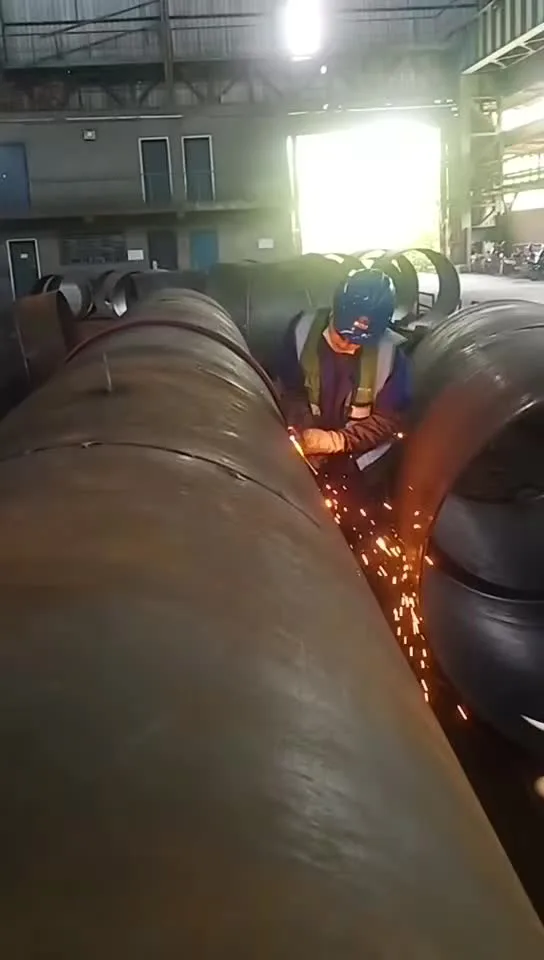
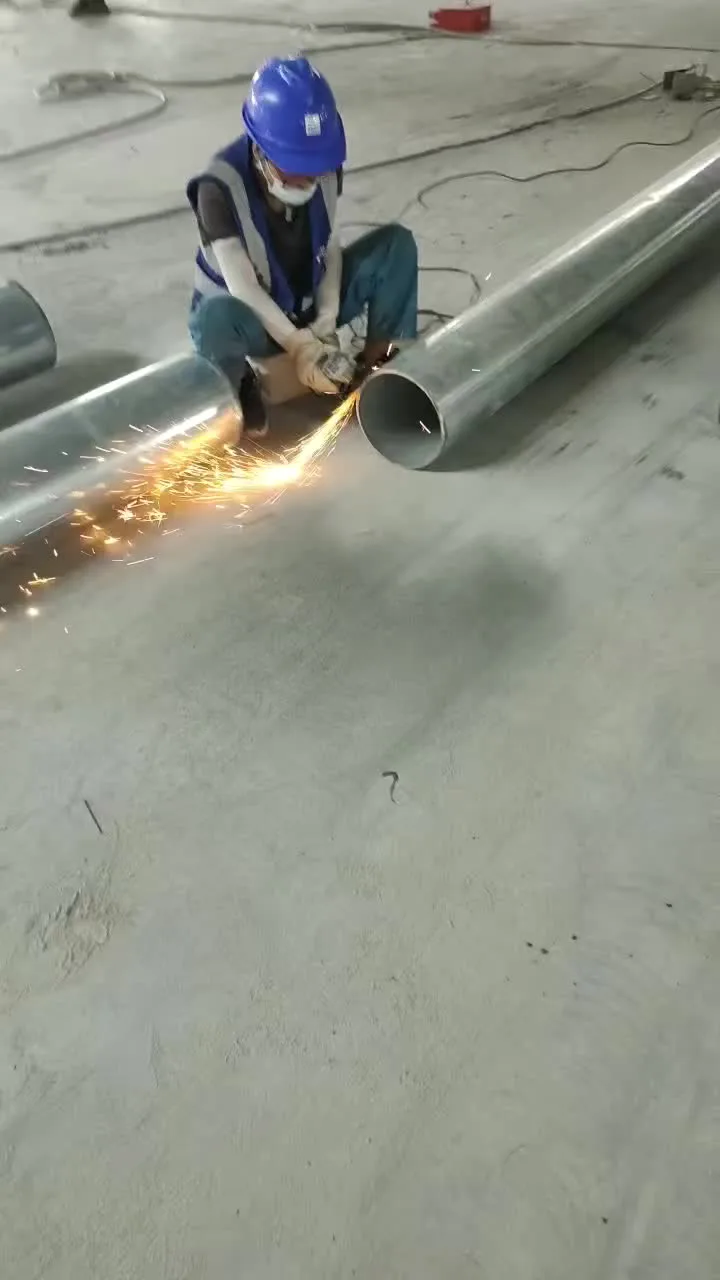
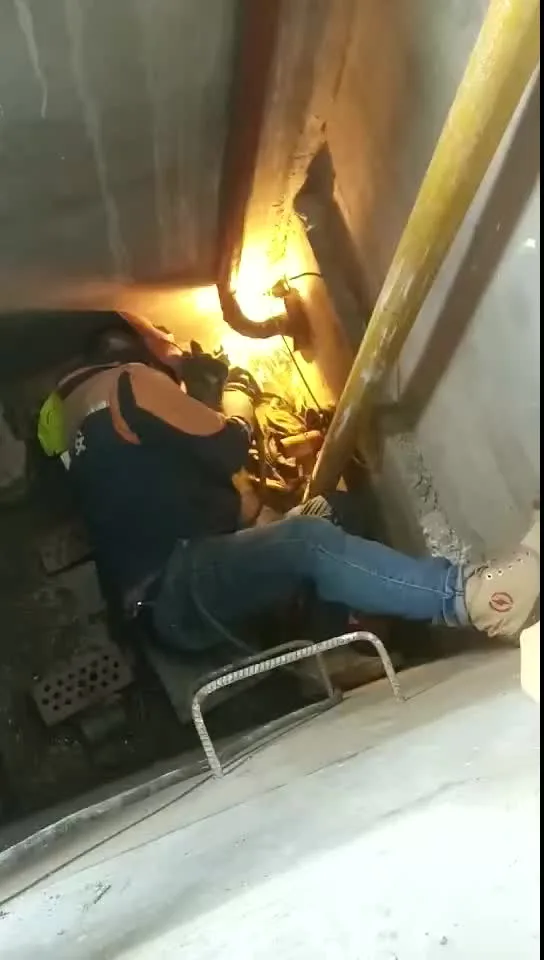
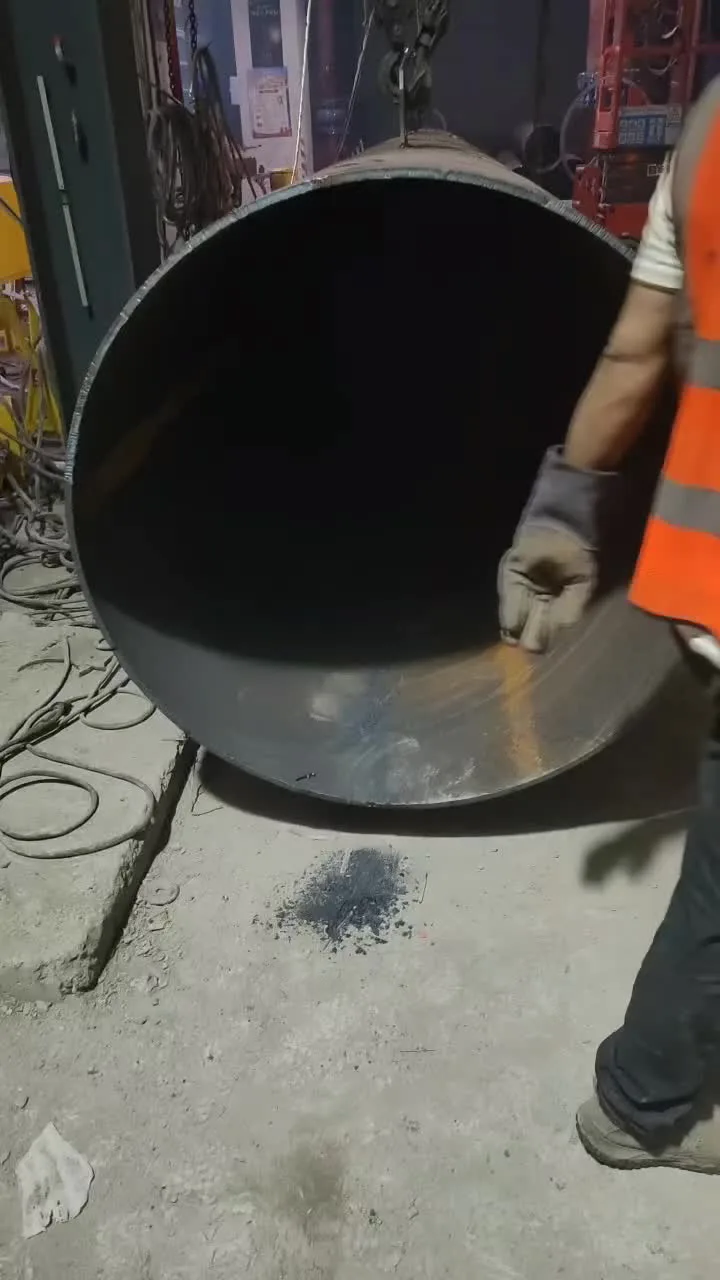
Field footage: real welding conditions — sparks, spatter, and radiant heat at the arc, the environment your gloves have to survive every shift.
Protect your hands with gloves built for the arc
Burns, UV exposure, and spatter are manageable hazards — the industry has known how to control them for decades. What separates a safe shop from an injury report is consistency: the right gloves, inspected daily, covering all skin, and replaced before they fail. If your current gloves are thinning, cracking, or leaving your wrists exposed, that is the signal to upgrade before the next shift, not after the next burn.
Looking for TIG gloves that hold up at the arc? Our TIG welding gloves are made from premium leather with heat-resistant stitching and an extended cuff designed to keep spatter and UV off your wrists — try them on Amazon and feel the difference a proper fit makes. Need gloves for a whole crew or a custom OEM run? Talk to us about bulk and OEM — we will help you spec hand protection for your process, your positions, and your people.