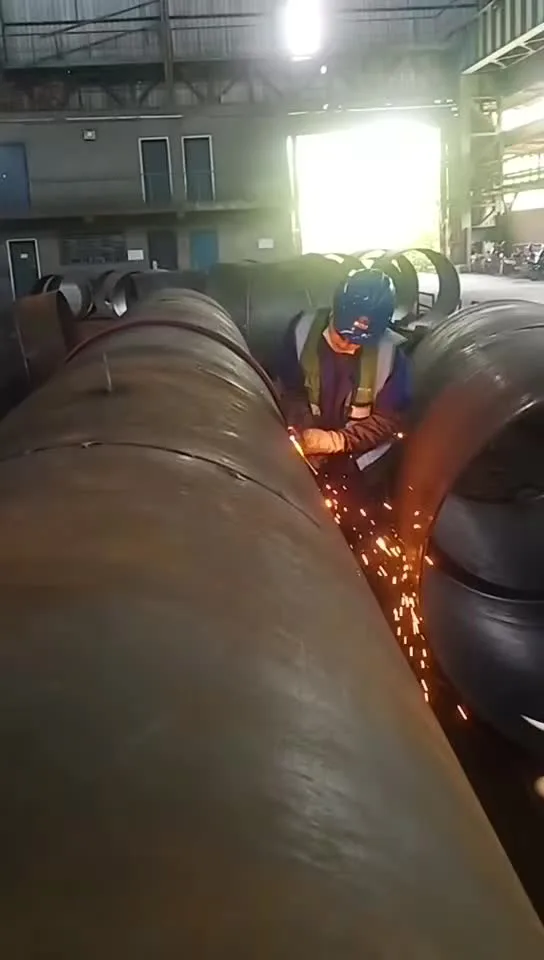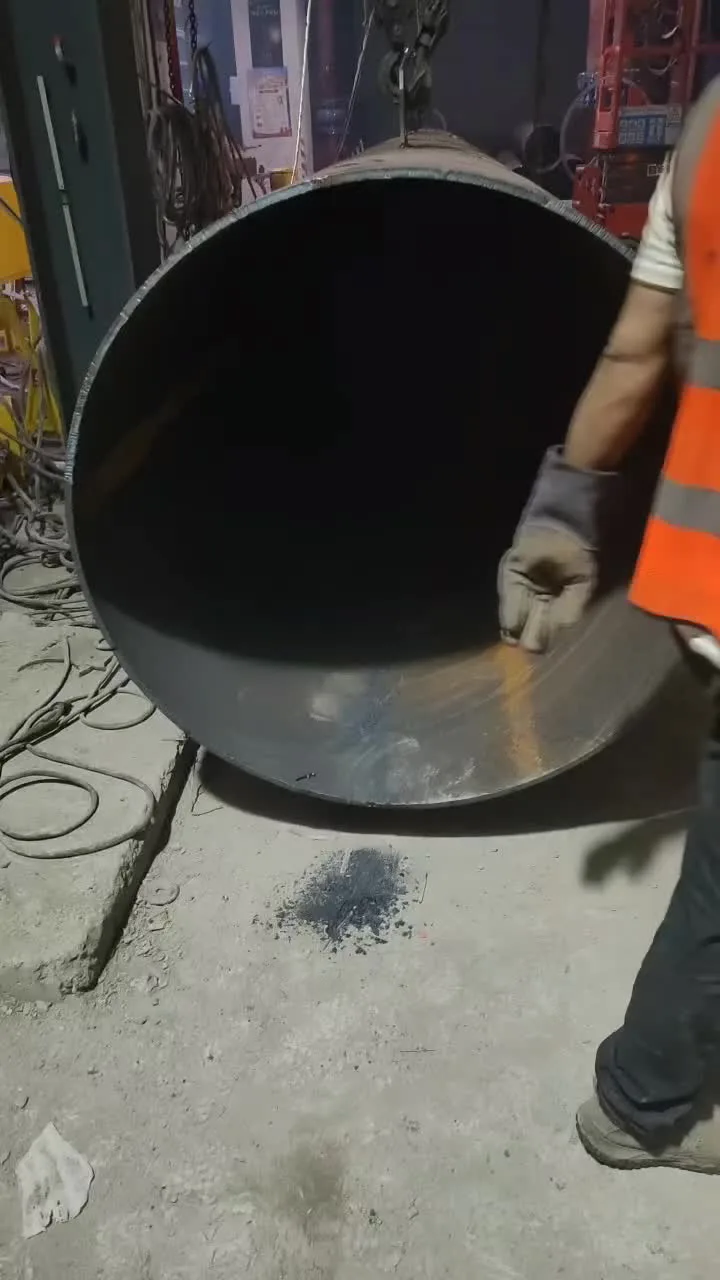




Pick up any pair of welding gloves and the first thing you notice is the leather. It decides how easily you can feed filler rod, how long the gloves survive spatter, and whether your hands stay comfortable through a full shift. Sheepskin, cowhide, and pigskin — the three leathers that dominate welding gloves — behave very differently at the arc. Here is what each one does, where it excels, and which matches your welding process.
Why Leather Type Matters in Welding Gloves
Welding gloves face a combination of abuse that no other work glove endures: radiant heat, molten spatter, sharp edges, and hours of repetitive finger work. The leather is the barrier between all of that and your skin, and its properties shape three things that matter on the job: dexterity (feeling and controlling the torch and filler), heat and spatter resistance (insulating against radiant heat, refusing to let molten droplets burn through), and durability (how long palm, fingers, and seams last).
No single leather wins all three categories. That is why experienced welders own different pairs for different work, and why understanding the material helps you buy smarter instead of guessing.
Grain vs Split Leather: The Cut That Matters First
Before comparing animal hides, you need to know how leather is cut, because this affects every leather type. A hide is thick, so tanneries slice it horizontally into layers. The grain layer is the outer skin — smooth, dense, and naturally resistant to abrasion and heat. The split layer comes from beneath it — fibrous, suede-like, thicker, and more porous.
Grain leather feels smoother, resists wear longer, and generally offers better dexterity because it can be cut thinner without tearing. Split leather is cheaper, thicker, and softer out of the box, but it wears through faster, absorbs moisture, and lets spatter embed into its fuzzy surface. When a spec sheet says “premium leather” without saying grain or split, treat it as unanswered — the cut matters as much as the animal.
Sheepskin: The Dexterity Champion
Sheepskin (often labeled lambskin) is the softest and most flexible of the three common welding-glove leathers. Its fine, dense grain gives it a naturally supple feel that needs almost no break-in.
Where sheepskin wins
Dexterity is sheepskin’s defining advantage. The leather is thin and pliable, so finger movement stays natural and fingertip sensitivity stays high. That makes it the natural choice for TIG welding, where you manipulate a torch in one hand and feed filler rod with the other. Many of the best-regarded TIG gloves pair a grain sheepskin or goatskin palm with a longer cowhide cuff — soft where you need feel, rugged where you need coverage.
Sheepskin also resists stiffening from heat better than thicker leathers. Thin grain sheepskin cools quickly between passes and stays flexible instead of baking into a rigid shell.
Where sheepskin loses
The trade-off is thickness. Sheepskin is thinner than cowhide or pigskin, so it offers less insulation against radiant heat and punctures more easily on sharp edges. It is also the most expensive of the three. For heavy stick welding or high-amperage MIG work with heavy spatter, sheepskin palms wear through faster than thicker alternatives.
Cowhide: The Workhorse
Cowhide is the most common leather in welding gloves, and the most versatile. Thick, tough, and widely available in both grain and split cuts, it is the default for general-purpose and heavy-duty gloves.
Where cowhide wins
Durability and heat resistance are cowhide’s strengths. Thick split cowhide shrugs off heavy spatter, grinds, and rough handling that would destroy thinner leathers — which is why it dominates stick-welding and structural MIG gloves. Grain cowhide offers a solid middle ground: decent feel, good abrasion resistance, and strong value.
Cowhide is also the go-to for cuffs and glove backs. Even in premium TIG gloves, you will often find cowhide used for the back-of-hand and extended cuff, where heat protection matters more than fingertip sensitivity.
Where cowhide loses
Raw cowhide starts stiff and needs a real break-in period — sometimes days of use before the fingers move freely. Grain cowhide never matches the fingertip sensitivity of sheepskin, which matters when you are dabbing filler at low amperage. And split cowhide absorbs moisture and oil, while its fuzzy surface catches spatter that smolders into the fibers.
Pigskin: The Grip Specialist
Pigskin is the least discussed of the three, but it has a genuine niche. Its pebbled grain and fiber structure make it naturally resistant to oil and moisture — it does not stiffen and crack when it gets wet and dries.
Where pigskin wins
Wet and oily conditions are pigskin’s home turf. The leather stays soft and grippy when damp, which matters for field work, humid shops, and anywhere gloves get sweaty. Its natural texture also gives it excellent grip on smooth materials — pipe, tubing, and fittings — without relying on coatings. Pigskin is the most breathable of the three leathers, so hands stay cooler in warm environments.
Where pigskin loses
Pigskin’s pores, while great for breathability, are also its weakness: molten droplets can lodge in the grain, so spatter resistance is limited. It is thinner than cowhide, so heavy-duty heat protection is limited. And pigskin is rarely used in high-end TIG gloves, where maximum fingertip feel is the priority.
Head-to-Head: Sheepskin vs Cowhide vs Pigskin

| Property | Sheepskin | Cowhide | Pigskin |
|---|---|---|---|
| Dexterity / feel | ★★★★★ | ★★★☆☆ | ★★★★☆ |
| Heat resistance | ★★★☆☆ | ★★★★★ | ★★★☆☆ |
| Abrasion durability | ★★★☆☆ | ★★★★★ | ★★★★☆ |
| Wet/oil performance | ★★★☆☆ | ★★★☆☆ | ★★★★★ |
| Breathability | ★★★★☆ | ★★☆☆☆ | ★★★★★ |
| Break-in time | Minimal | Days of use | Short |
| Typical price | $$-$$$ | $-$$ | $ |
Two notes on this comparison. First, the cut (grain vs split) can shift any leather up or down a notch — grain cowhide, for instance, closes much of the dexterity gap with sheepskin. Second, many quality gloves are hybrids: sheepskin palm for feel, cowhide back and cuff for protection.
Which Leather for Which Welding Process?
TIG welding. Dexterity is the whole game, so grain sheepskin or goatskin palms dominate. The thin, supple leather lets you feed filler rod and manipulate the torch precisely at low amperage. Backs and cuffs are often cowhide or lined cowhide to handle radiant heat and UV exposure. This is the process where leather choice affects weld quality most directly.
MIG welding. A middle path. MIG throws more spatter than TIG, so the palm and fingers need better spatter resistance than pure sheepskin offers. Grain cowhide or a cowhide/sheepskin hybrid works well: enough feel for the gun, enough toughness to survive the spatter field.
Stick (SMAW) welding. Heavy spatter, high heat, rough conditions. Thick split or grain cowhide is the standard — dexterity matters less because you are not feeding filler by hand, and durability matters more.
Oxy-fuel cutting and brazing. Heat and flame resistance take priority; thick cowhide or specialized aluminized gloves outperform thin leathers.
Field and shop work (fitting, tacking, handling). Pigskin shines where conditions are wet, oily, or humid and grip matters more than arc time.
How to Judge Leather Quality Before You Buy
Spec sheets rarely tell the full story, so a few hands-on checks go a long way:
- Read past “premium leather.” Look for the animal and the cut — “grain goatskin palm, split cowhide cuff” tells you far more than “premium leather gloves.” Vague labeling is itself a data point.
- Check the palm thickness. TIG palms run thin (roughly 0.6–0.9 mm in quality grain gloves); heavy MIG/stick gloves run thicker. Match the thickness to your process, not to your ego — thicker is not always better.
- Flex the fingers. Grain sheepskin and goatskin should move freely with no resistance at the knuckles. If a “TIG glove” fights your fingers in the store, it will fight you at the arc.
- Inspect the seams. Leather fails at the seams before anywhere else. Look for dense, even stitching with aramid (Kevlar-type) thread — cotton and polyester thread melts and fails under welding heat. We covered this in detail in our Kevlar stitching guide.
- Smell and feel the leather. Quality grain leather smells like leather, not chemicals. The surface should be consistent — thin spots, cracks, or excessive stiffness in a new glove are warning signs.
- Check the cuff and lining. A longer cuff protects the forearm from UV and heat; a moisture-wicking lining keeps hands comfortable. Our TIG welding gloves buying guide walks through the full evaluation checklist.
Caring for Leather Welding Gloves
Leather is a natural material, and how you treat it decides how long it lasts:
- Let them dry naturally. Never bake wet gloves on a heater or in direct sun. Heat-drying shrinks leather, cracks the grain, and kills flexibility. Air-dry away from direct heat.
- Keep them clean-ish. Brush off spatter and slag; wipe oil and grease before they soak in. Embedded spatter acts like an abrasive and wears the leather from the outside in.
- Store flat, not crumpled. Crushing gloves into a ball creases the leather at the same stress points every time, accelerating cracks. A flat pair in a dry toolbox lasts measurably longer.
- Retire them on time. When the palm thins through, seams open, or the lining is exposed, the glove no longer meets the protection level it was built for. Our welding PPE checklist includes a quick retirement inspection routine.
Frequently Asked Questions
Is goatskin better than sheepskin for TIG gloves?
They are very close. Goatskin is slightly tougher and more abrasion-resistant while staying nearly as soft as sheepskin, which is why it is arguably the most common TIG-glove palm leather worldwide. Sheepskin has a slight edge in pure softness; goatskin has a slight edge in durability.
Are split leather welding gloves bad?
Not bad — just different. Split leather is thicker, cheaper, and fine for heavy stick welding where spatter and abrasion dominate. It is a poor choice where dexterity matters (TIG) or moisture is constant, because it absorbs water and stiffens.
Why do my leather welding gloves get stiff after getting wet?
Water displaces the natural oils and tanning agents in leather; when it dries, the fibers lock together and the glove stiffens. Pigskin resists this best of the three common leathers. Air-drying slowly (never on a heater) and occasional leather conditioner help, but repeated wet-dry cycles will eventually harden any leather glove.
Do leather types affect compliance with EN 12477?
The standard rates performance, not materials. EN 12477 classifies welding gloves as Type A (higher protection) or Type B (higher dexterity) based on tested requirements — any leather can be used as long as the finished glove passes. Our EN 12477 Type A vs Type B guide explains the classification in full.
Where can I find official guidance on welding hazards?
For the occupational health side — welding fumes, UV exposure, and facility-level controls — OSHA’s welding, cutting and brazing page is a solid starting point for employers, and the European Agency for Safety and Health at Work (EU-OSHA) publishes EU-side guidance and statistics.
The Bottom Line
Sheepskin gives you feel, cowhide gives you armor, and pigskin gives you grip in the wet. There is no universal best leather — only the right leather for your process and conditions. For TIG, reach for grain sheepskin or goatskin where your fingers do the talking; for heavy MIG and stick, let thick cowhide take the punishment; for damp field work, pigskin earns its keep. And whichever leather you choose, verify the cut, inspect the seams, and match the glove to the process — that matters more than the animal on the label.
Dexterity is something you feel, not something you read about. AceppePro’s TIG welding gloves are designed to meet EN 12477 Type B requirements — the welding-glove classification built for higher dexterity — with a soft premium-leather palm for fingertip control and Kevlar stitching for seam durability. Try a pair on Amazon and feel the difference yourself — and for bulk orders or OEM inquiries, reach out via aceppe.com.