


Welding exposes the human body to more hazards per square meter than almost any other trade: intense ultraviolet and infrared radiation, molten spatter, radiant heat, toxic fumes, noise, and electrical contact. The right personal protective equipment (PPE) is not optional — it is the last line of defense when engineering controls fall short. This checklist walks through every PPE category a welder should verify before striking an arc, with the standards and selection logic behind each item.
1. Welding Gloves: The Most Task-Specific Item on the List
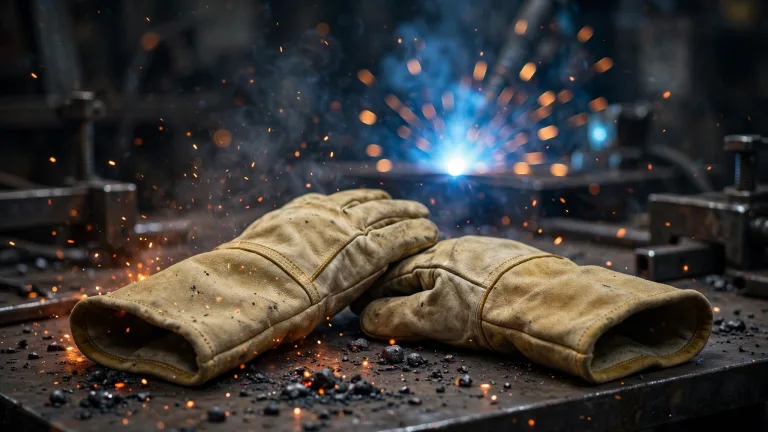
Gloves deserve first place because they take the most abuse. The tricky part: no single welding glove does everything. The European standard EN 12477:2001+A1:2005 (protective gloves for welders) splits welding gloves into two types, and knowing the difference is the fastest way to buy right:
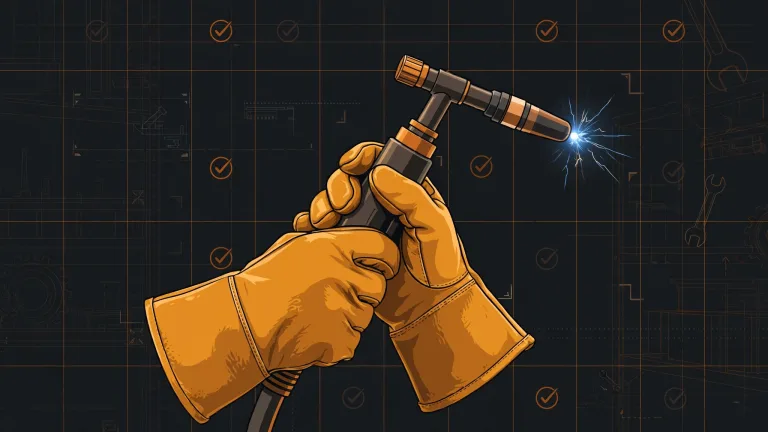
- Type A — TIG welding. Thinner, more flexible construction prioritizing dexterity and fingertip sensitivity. TIG (GTAW) is a two-handed precision process: one hand feeds the filler rod, the other steers the torch. A thick, stiff glove destroys the fine motor control the weld needs.
- Type B — MIG/stick/electrode welding. Heavier construction prioritizing thermal and mechanical protection for processes that throw far more spatter and radiant heat.
Wearing Type B gloves for TIG work — or thin TIG gloves for heavy stick welding — is one of the most common glove mistakes in the trade.
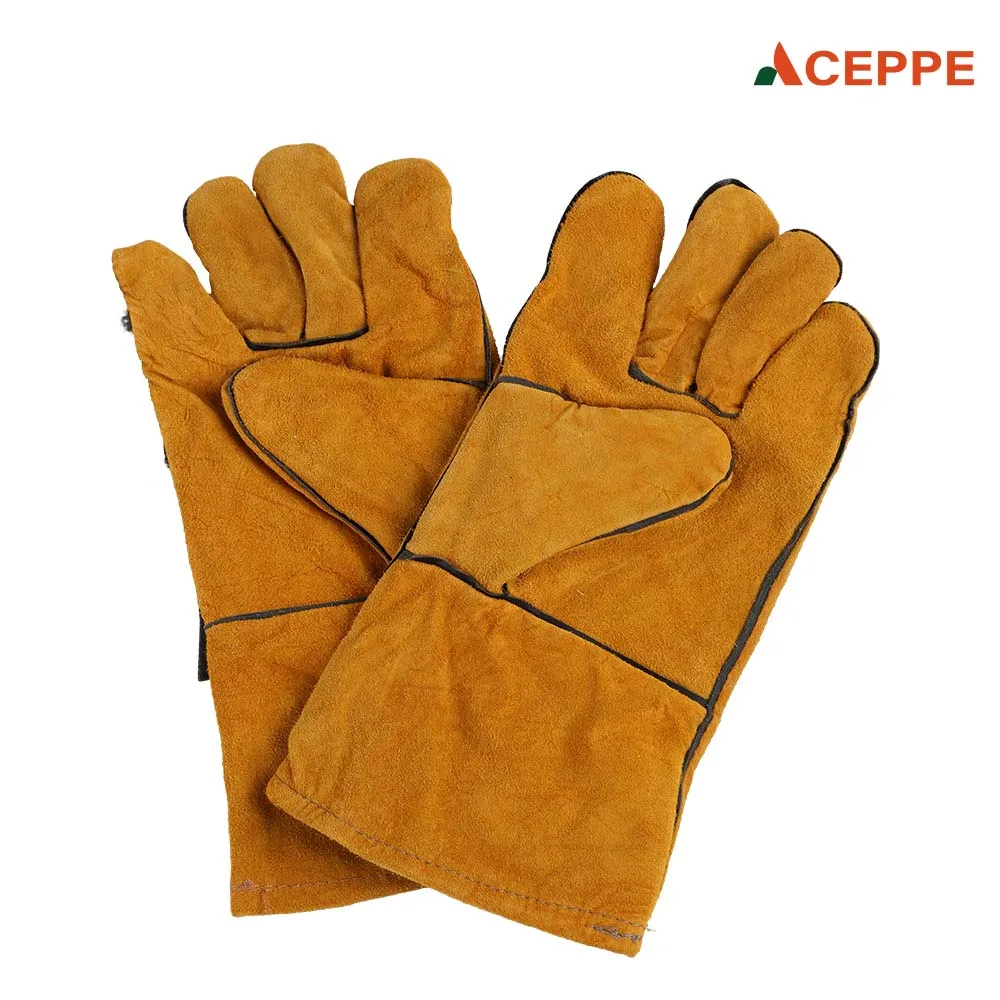
What to check on a welding glove
- Leather type and palm material. For TIG, soft, thin leathers — sheepskin or goatskin — give the best combination of heat resistance and feel. Thicker cowhide suits MIG and stick welding, where spatter protection matters more than fingertip sensitivity. See our TIG welding gloves buying guide for a deeper comparison.
- Seamless forefinger design. On a TIG glove, seams running across the gripping fingers create pressure points and reduce feel. Gloves built with a seamless forefinger are noticeably more comfortable during long TIG sessions.
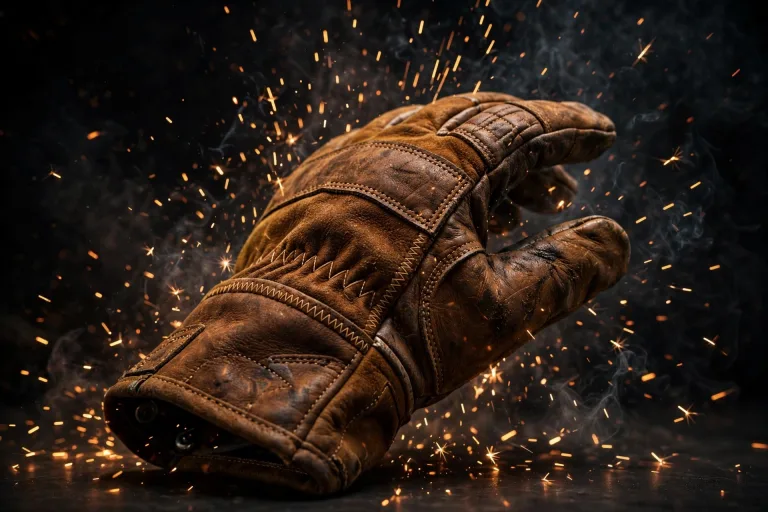
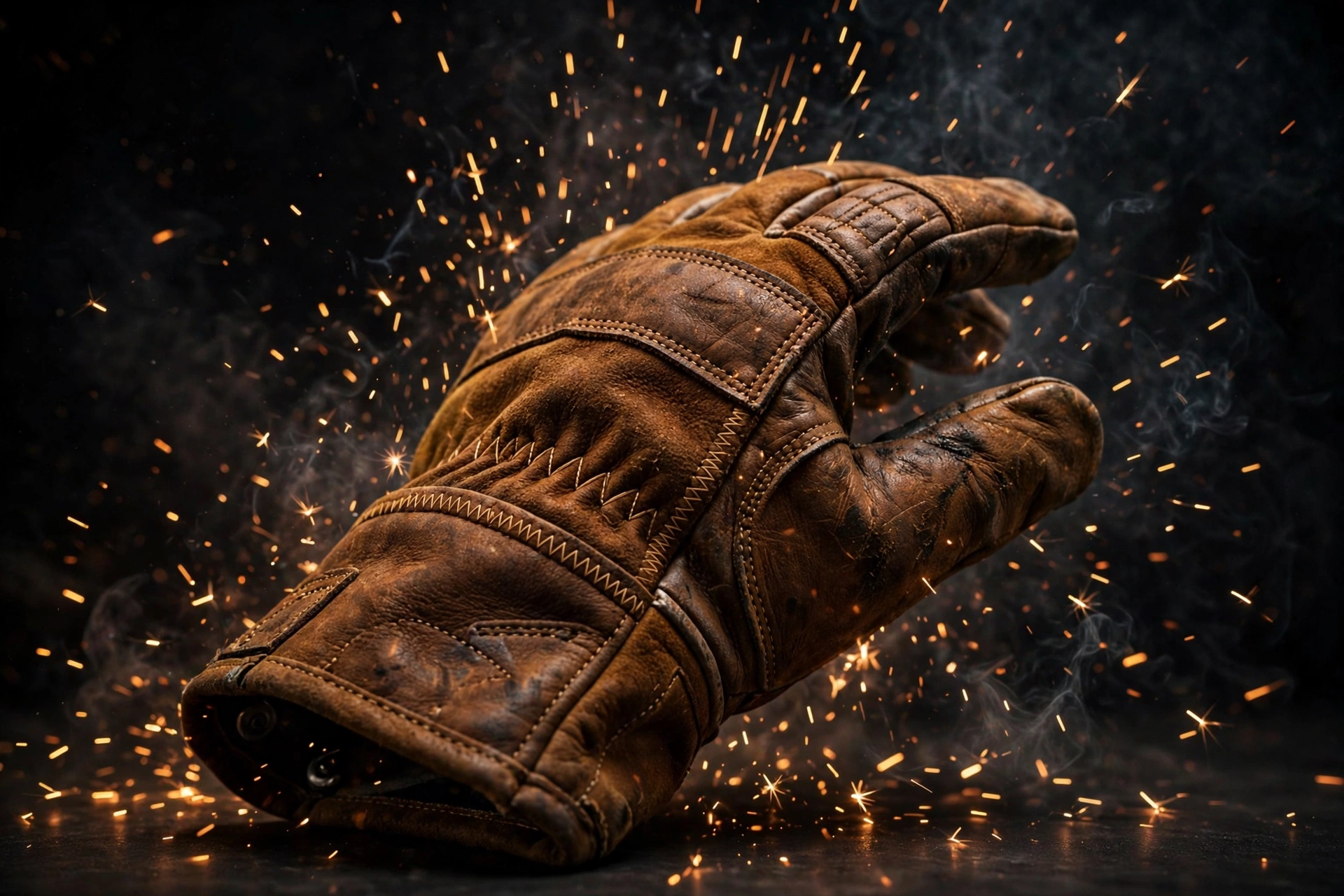
- Heat-resistant stitching. Standard cotton or polyester thread chars and fails under radiant heat long before the leather gives out. Kevlar (para-aramid) stitching holds the glove together at the temperatures welding actually produces — it is one of the easiest quality tells when you inspect a glove.
- Extended cuff. Spatter does not stop at the wrist. A longer cuff — roughly 13 cm or more — shields the forearm and closes the gap between glove and jacket sleeve, where burns are otherwise common.
- Fit. A glove that is too loose slips and bunches, costing you torch control; too tight and it restricts movement and accelerates hand fatigue. Measure your dominant hand and match the manufacturer’s size chart — most quality TIG gloves come in L and XL, and some brands offer medium for smaller hands.
- Markings. In Europe, look for the EN 12477 pictogram (Type A or B) and EN 407 heat performance levels on the glove or its packaging. In the US, there is no single welding-glove standard, but mechanical performance references such as EN 388 cut and abrasion ratings help you compare durability between products.
Watch the TIG glove features in action:
2. Eye and Face Protection: Guarding Against Arc Eye
Arc flash — the intense UV from the welding arc — can burn the cornea (“arc eye” or welder’s flash) in seconds, even from reflected light. Infrared radiation and flying spatter add further risk. Minimum protection:
- Welding helmet with the correct shade. Shade numbers run from light (for low-current TIG) to very dark (for high-current processes). As a rule of thumb, TIG at low amperage starts around shade 8–10, while MIG and stick welding commonly need shade 10–13. Always match the shade to your process and amperage, and follow the lens manufacturer’s chart.
- Auto-darkening filters (ADF). These switch from a light to a dark state in a fraction of a millisecond when the arc strikes, so you can position your work with the helmet down. Look for a switching speed under 1/10,000 s and at least two arc sensors for hobby or positional work.
- Safety glasses underneath. Wear clear or shaded safety spectacles under the helmet. They protect your eyes when the helmet is flipped up and during grinding between welds.
- Face and neck coverage. Helmets should cover the full face and throat. For overhead work, add a skullcap or bandana and consider a helmet with a bib — reflected UV burns the skin under the chin and around the ears.
Markings to look for: in Europe, filter shade and optical class per EN 169 / EN 175 (welding filters and eye protection); in the US, ANSI/ISEA Z87.1 impact and optical ratings.
3. Protective Clothing: Nothing That Melts
The golden rule of welding clothing: no synthetics. Polyester and nylon melt into the skin when hit by spatter, turning a minor burn into a serious one. The checklist:
- Flame-resistant (FR) jacket or coveralls. FR-treated cotton or inherently FR fabrics (such as modacrylic blends) self-extinguish. Heavy split-cowhide jackets or leather sleeves over an FR shirt are standard for MIG and stick welding; lighter FR jackets suffice for low-spatter TIG work.
- Leather apron for heavy spatter processes and overhead positions.
- No cuffs, open pockets, or rolled sleeves. Spatter lodges in cuffs and pockets. Keep collars buttoned, sleeves down, and trouser legs over boot tops (never tucked in).
- Aluminized gear near extreme radiant heat — furnaces, heavy gouging, or prolonged high-amperage work — where standard FR clothing is not enough.
4. Respiratory Protection: The Invisible Hazard
Welding fume is classified as a known human carcinogen by IARC (Group 1), and individual components — manganese, hexavalent chromium, nickel, ozone — carry their own exposure limits. Fume is the hazard welders most often under-protect against, because it is invisible. Before respirators, apply the hierarchy of controls: local exhaust ventilation (LEV) at the arc, and extraction or on-torch fume capture where available. Then:
- Disposable filtering half masks (FFP2 in Europe, N95 in the US) as a minimum for many manual welding tasks in well-ventilated areas.
- Half- or full-face reusable respirators with P2/P3 or combination filters for stainless steel (hexavalent chromium), galvanized steel (zinc oxide), or confined-space work.
- Powered air-purifying respirators (PAPR) with welding helmets for heavy-fume, all-day production welding.
Respirators only work with a proper seal — facial hair breaks it — and with the correct filter for the fume involved. Our guide to reading protection data covers the general logic of matching PPE to the actual hazard, which applies to respirator selection too.
5. Footwear, Hearing, and the Rest
- Safety boots: leather, high-top, with metatarsal guards for heavy fabrication; flame-resistant laces or lace covers; slip-resistant soles for oily shop floors. Spats add protection where spatter is heavy.
- Hearing protection: grinding, gouging, and plasma cutting routinely exceed 90 dB. Earplugs or earmuffs are part of the welding PPE kit, not an afterthought.
- Head protection: hard hats under welding helmets where overhead hazards exist (construction, shipbuilding).
- First aid: keep burn gel and sterile dressings in the welding bay. Know the location of the nearest eyewash station.
Putting the Checklist into Practice
Print this table and run through it at the start of each job — it takes two minutes and catches the items people forget:
| Check | Pass criteria |
|---|---|
| Gloves | Correct type for the process (Type A for TIG / Type B for MIG-stick); intact leather, no holes; cuffs overlap jacket sleeves |
| Helmet | Correct shade for process and amperage; auto-darkening sensors clean and working; headgear fits |
| Glasses | Safety spectacles worn under helmet; side shields intact |
| Clothing | FR material, no synthetics; no cuffs or open pockets; apron/jacket for the spatter level |
| Respirator | Correct class for the fume; seal check passed; filters within service life |
| Boots | Leather high-tops; metatarsal guards where required; trousers over boot tops |
| Ventilation | LEV positioned at the arc; extraction running before the first weld |
| Work area | Combustibles cleared 10 m around; fire extinguisher and fire watch assigned |
Two references worth bookmarking: OSHA’s welding, cutting and brazing guidance covers the US regulatory baseline, and the UK HSE’s welding health and safety pages are a clear, practical companion for fume control and exposure limits.
The Bottom Line
Welding PPE is a system, not a shopping list. The glove must match the process, the helmet shade must match the amperage, the clothing must not melt, and the respirator must match the fume — and every item has to be inspected before use, because damaged PPE protects no one. Run the checklist, replace anything that fails it, and weld safer from the first arc of the day.
Looking for TIG welding gloves that check the boxes above? AceppePro’s TIG welding gloves pair a soft, thin sheepskin palm for fingertip control with a 13 cm extended cuff and Kevlar stitching for durability under radiant heat. Try them on Amazon — and for bulk orders or OEM inquiries, reach out via aceppe.com.