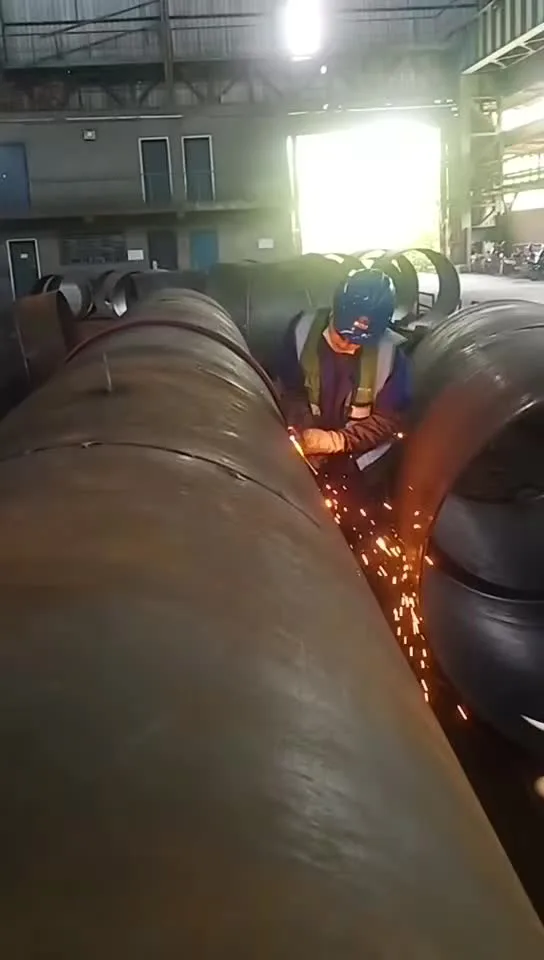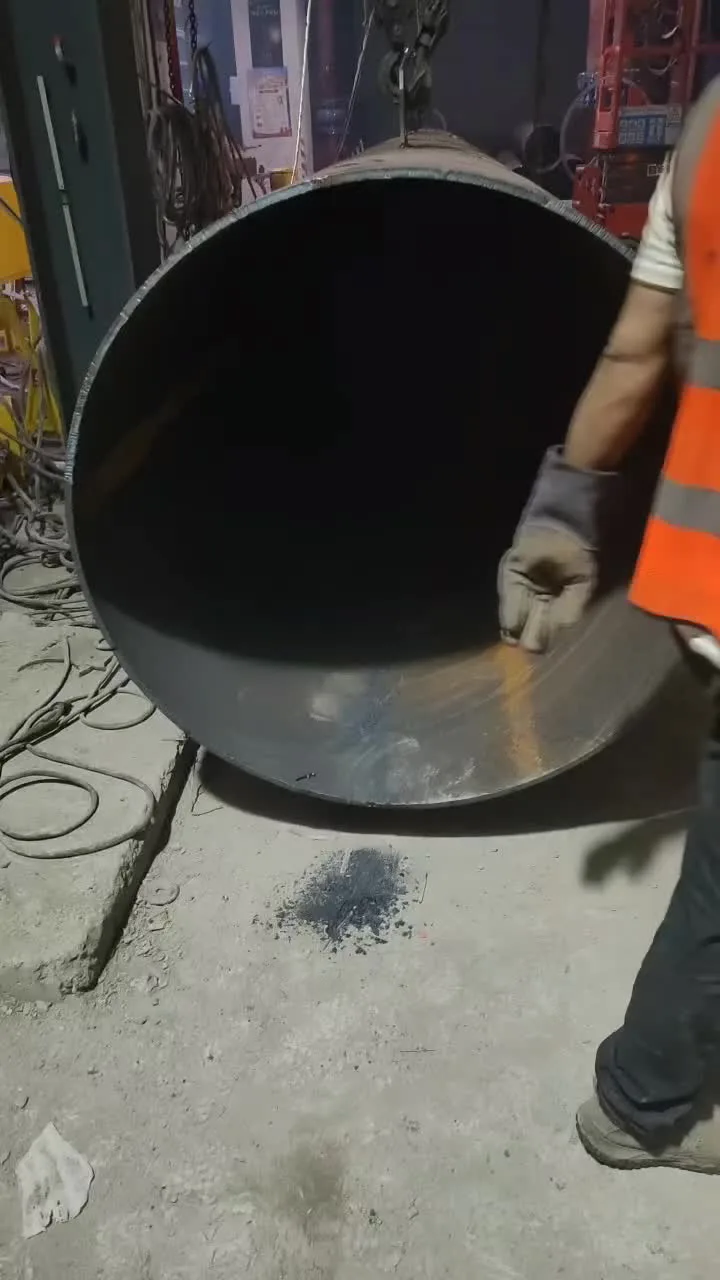



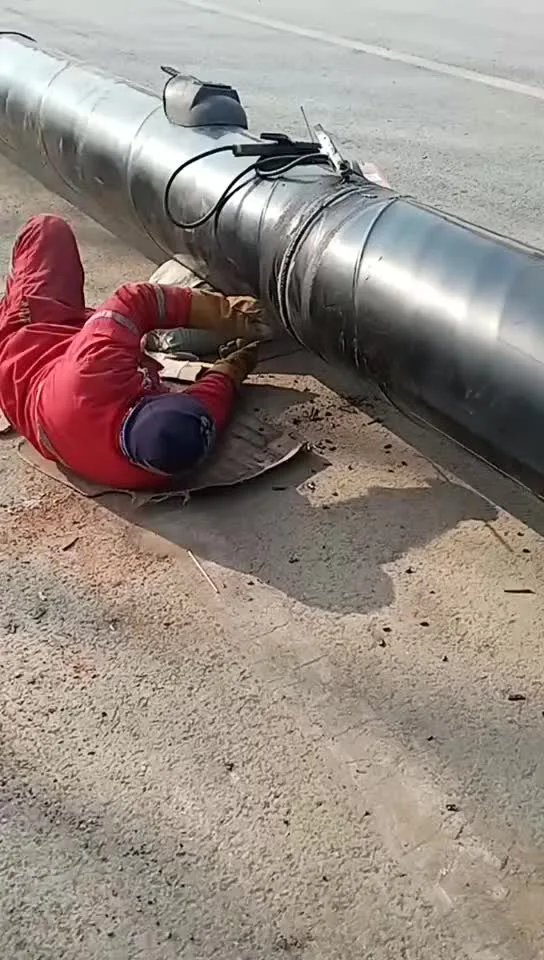
Picking up a TIG torch for the first time is one of the most exciting moments in a welder’s journey. Gas tungsten arc welding (GTAW) lets you lay some of the cleanest, most precise welds in the trade — but it also asks more of your hands than any other common process. Before you strike your first arc, understanding what your gloves need to do is one of the smartest investments a new welder can make.
This guide walks you through everything a beginner needs to know about TIG welding gloves: why they’re different from MIG and stick gloves, what materials and features matter, how to get the right fit, and the safety basics that protect your hands while you learn.
Why TIG Welding Demands a Different Glove
In MIG and stick welding, the torch or electrode holder does most of the fine work, and the gloves mainly guard against heat and spatter. TIG is different. One hand feeds the filler rod with fingertip precision while the other guides the torch in tight, controlled movements. Thick, bulky gloves turn this into a frustrating fight; a glove with real dexterity lets the technique come naturally.
At the same time, the TIG arc produces intense ultraviolet (UV) radiation and the weld puddle reaches temperatures well above 1,500 °C. A proper TIG glove therefore solves two problems at once: it must be thin enough for fine control and tough enough to shield your skin from heat, UV, and occasional spatter.
Anatomy of a TIG Welding Glove
Leather: The Foundation
Most quality TIG gloves use soft, thin leather on the palm and fingers — commonly goatskin or deerskin — because these leathers combine suppleness with respectable heat resistance. The thinner the leather, the more “feel” you get through your fingertips, which is why many experienced TIG welders prefer a tight-fitting glove in one of these soft leathers over heavier cowhide.
The Cuff: Your Forearm’s Bodyguard
Look at any welding glove and you’ll notice the long cuff. That’s not decoration: the cuff protects your wrist and forearm from UV radiation and radiant heat, which are present even when your hands are a safe distance from the arc. Most TIG gloves come with a 4-inch cuff; a 6-inch cuff offers more forearm coverage if you weld in positions where your arms are exposed to the arc.
Stitching and Seams
Seams are the first thing to fail on a cheap glove. Heat-resistant thread — often Kevlar or similar aramid fiber — keeps the glove holding together far longer than standard cotton thread, which chars and breaks under welding heat. When you’re comparing gloves, check whether the seams use heat-resistant stitching: it’s one of the simplest quality indicators a beginner can verify.
What New Welders Should Look For
1. Dexterity First
Dexterity is the decisive factor in a TIG glove. A quick shop test: put the glove on and try to pick up a coin, hold a pencil, or feed a thin wire through your fingers. If you can do these comfortably, the glove will let you learn TIG technique instead of fighting the glove. Too thick, and every rod feed becomes clumsy; too loose, and the material bunches up under your grip.
2. The Right Fit
Measure the circumference of your dominant hand just below the knuckles (excluding the thumb) and compare it with the manufacturer’s size chart. A good TIG glove fits snugly with the fingertips nearly reaching the ends of the fingers — there’s no “break-in stretch” to rely on. If the fingertip leather pools or the palm bunches, go a size down. For a detailed walkthrough of measuring and fit checks, see our guide on how to choose welding glove size and fit.
3. Heat and UV Protection
Beginners often underestimate UV exposure. The TIG arc emits UV radiation that can burn unprotected skin in minutes — welders call it “arc flash” when it hits the eyes and “sunburn” when it hits the skin. Your gloves and cuffs are part of a full-coverage system: long sleeves, an auto-darkening helmet, and gloves that leave no gap at the wrist. The U.S. Occupational Safety and Health Administration’s welding, cutting, and brazing standards require employers to provide and ensure the use of appropriate protective equipment, including hand protection for welding operations.
4. Standards and Markings
In Europe, welding gloves are assessed under EN 12477, which defines two performance classes: Type A gloves emphasize heat protection, while Type B gloves emphasize dexterity — the class most TIG welders reach for. Related standards cover cut resistance (EN 388) and thermal hazards (EN 407). You can read the full breakdown in our article on EN 12477 Type A vs Type B. Look for gloves certified to recognized product standards — for example, AceppePro TIG welding gloves are certified to EN 388, EN 407 and EN 12477. The American National Standards Institute (ANSI) also publishes widely referenced glove performance criteria used across the industry.
TIG Gloves vs MIG and Stick Gloves
Beginners sometimes wonder whether one pair of welding gloves can do everything. Here’s the practical difference:
- TIG gloves: thin, soft leather, tight fit, maximum dexterity, moderate heat protection.
- MIG gloves: thicker leather, padded palm, higher spatter resistance, less dexterity.
- Stick gloves: heaviest leather, longest cuffs, maximum heat and spatter protection, least dexterity.
If you’re starting with TIG, invest in a dedicated pair of TIG gloves. Using heavy stick gloves for TIG practice slows your learning curve dramatically — fine motor control is the skill you’re building, and the wrong glove hides it. For a deeper comparison of what separates the two categories, see our TIG welding gloves buying guide.
Watching Real TIG Work
Reading about glove technique is useful, but watching experienced hands move is better. This field footage from a real TIG pipe welding job shows the kind of hand control and positioning a good glove enables:
Five Beginner Mistakes to Avoid
- Buying the cheapest pair available. Budget gloves use cotton thread that chars and seams that split within weeks. Kevlar or aramid stitching lasts far longer.
- Wearing gloves that are too big. Excess leather bunches at the fingertips and kills rod control. Measure your hand and trust the size chart.
- Ignoring the wrist gap. A gap between glove cuff and sleeve lets UV hit your wrist. Overlap cuffs with long sleeves, always.
- Using one pair for everything. TIG technique deserves a dedicated thin glove; keep a heavier pair for grinding and stick work.
- Skipping inspection. Check seams, palm leather, and cuffs before each session. A glove with a burned-through palm no longer protects you — retire it.
Caring for Your First Pair
Good habits extend glove life. Let gloves air-dry naturally away from direct heat after use — never force-dry them on a hot surface. Store them flat or loosely, not crumpled in a toolbox where seams get stressed. And never wash leather welding gloves in water: soaking stiffens the leather and ruins the fit. We cover the full routine in our welding glove care guide.
Getting Started the Right Way
The right glove won’t make you a great welder overnight — practice does that. But the right glove removes a barrier between you and the skill: when your hands can feel the rod and guide the torch without fighting the leather, every hour of practice counts double. Start with a well-fitting, dexterous TIG glove built on heat-resistant stitching and certified to recognized product standards, and give yourself the fair start your learning curve deserves.
Try before you commit: if you’re starting TIG this season, the AceppePro TIG welding gloves are available to try on Amazon — certified to EN 388, EN 407 and EN 12477, with the thin, flexible fit TIG demands. Running a welding school or outfitting a training crew? Contact us through aceppe.com for bulk and OEM inquiries.