


Introduction
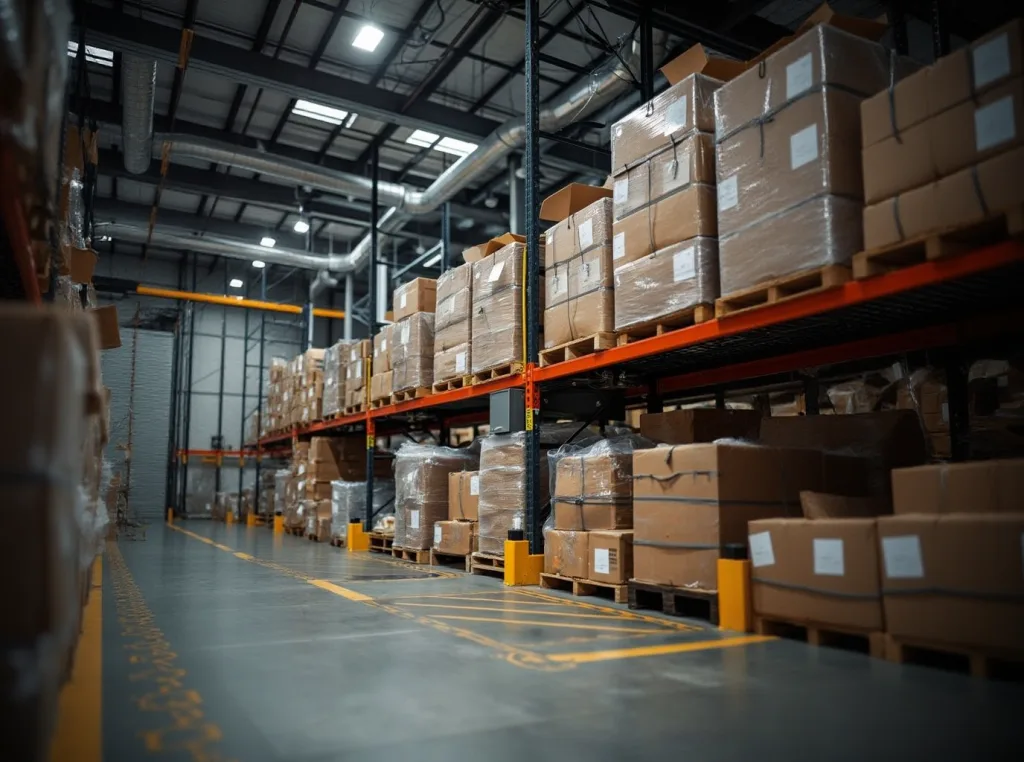
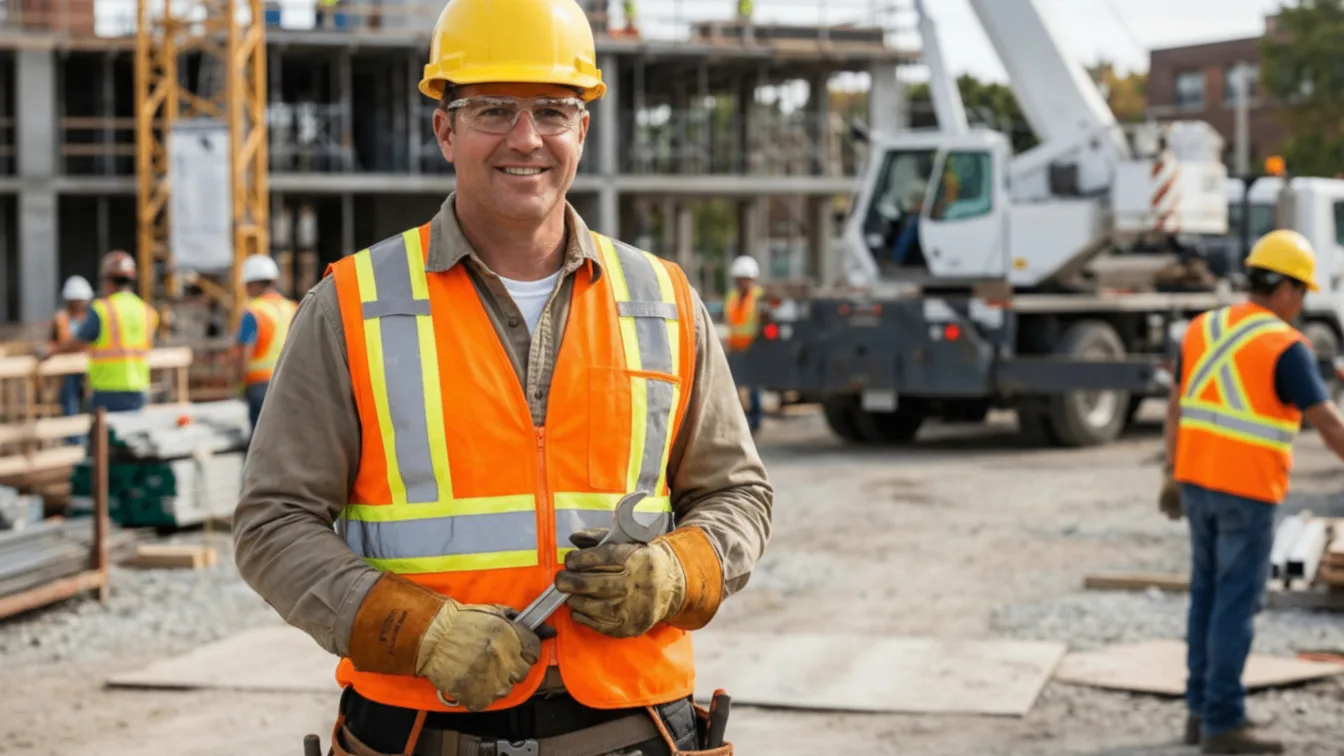
In the world of industrial safety, protecting your team is the number one priority. However, whether you manage a large construction site or a busy logistics warehouse, you have likely heard the term “PPE” thrown around in every safety meeting.
But what is it exactly? Furthermore, why is modern workplace safety so dependent on it?
As trusted safety equipment suppliers, we know that buying gear can be confusing. Below, we break down the PPE meaning, the specific types of safety gear you need, and the international standards (like OSHA and ANSI) that you must follow to stay legal.
1. What is the Meaning of PPE?
Specifically, PPE stands for Personal Protective Equipment. It refers to any device, appliance, or clothing designed to be worn by an individual to protect them against one or more health and safety hazards.
According to global safety regulations (such as OSHA in the US or EN in Europe), industrial safety measures must always start with “hazard control” (removing the danger). Nevertheless, when hazards cannot be fully removed, PPE acts as your critical last line of defense.
Proper gear is critical, as the National Safety Council reports that hand injuries are among the most common workplace accidents.
It protects against serious risks including:
- Physical injuries: Falling debris, slips, and cuts.
- Chemical hazards: Corrosive spills, fumes, and burns.
- Biological agents: Viruses, bacteria, and contaminants.
- Airborne particulates: Silica dust, asbestos, and smoke.
2. Types of PPE: The 5 Essential Categories
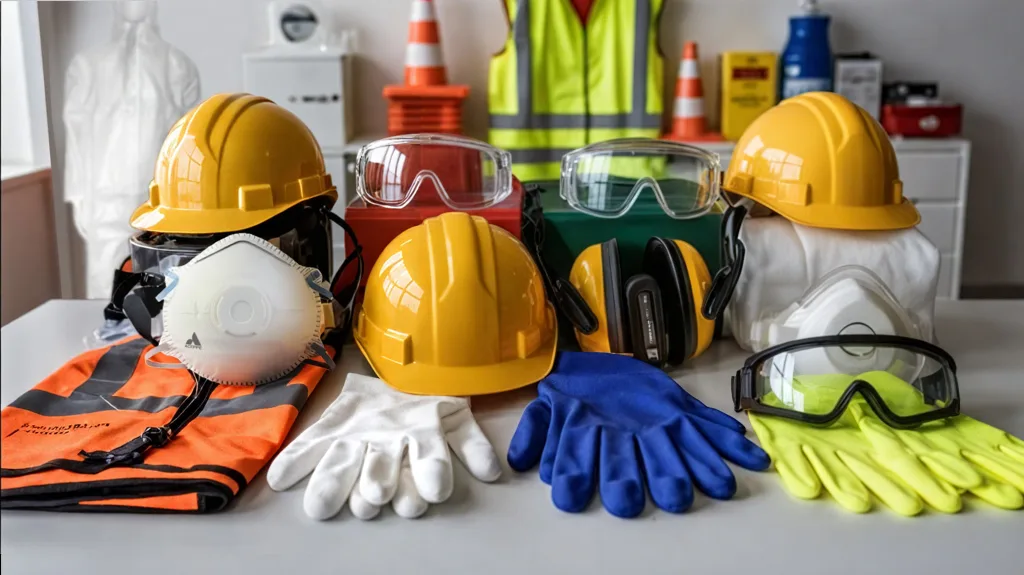
To ensure complete workplace safety, you cannot just buy one type of gear. You need “Head-to-Toe” protection. Therefore, here are the main categories of PPE safety gear every safety manager should stock:
1. PPE Foot Protection (Safety Footwear)
Slips, trips, and heavy falling objects are the most common cause of injury in warehouses. Consequently, standard sneakers offer zero protection. You strictly need certified safety shoes or steel toe boots.
- The Standard: Look for ASTM F2413 (US) or EN ISO 20345 (Europe) ratings.
- Why it matters: Steel or composite toe caps prevent crushing injuries from forklifts or heavy pallets.
2. Hand Protection PPE (Work Gloves)
Hands are the most used tools on the job—and the most injured. For instance, hazards range from sharp metal cuts to chemical burns.
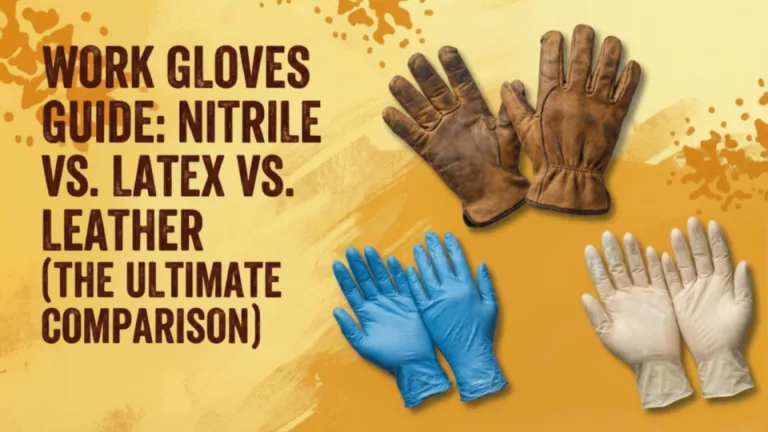
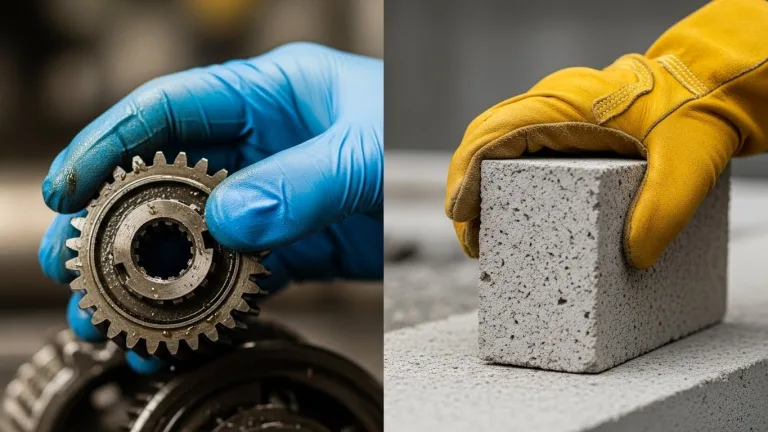
- The Options: You must choose between nitrile gloves (for chemicals) or cut-resistant gloves (for sharp objects).
3. Respiratory PPE (Masks)
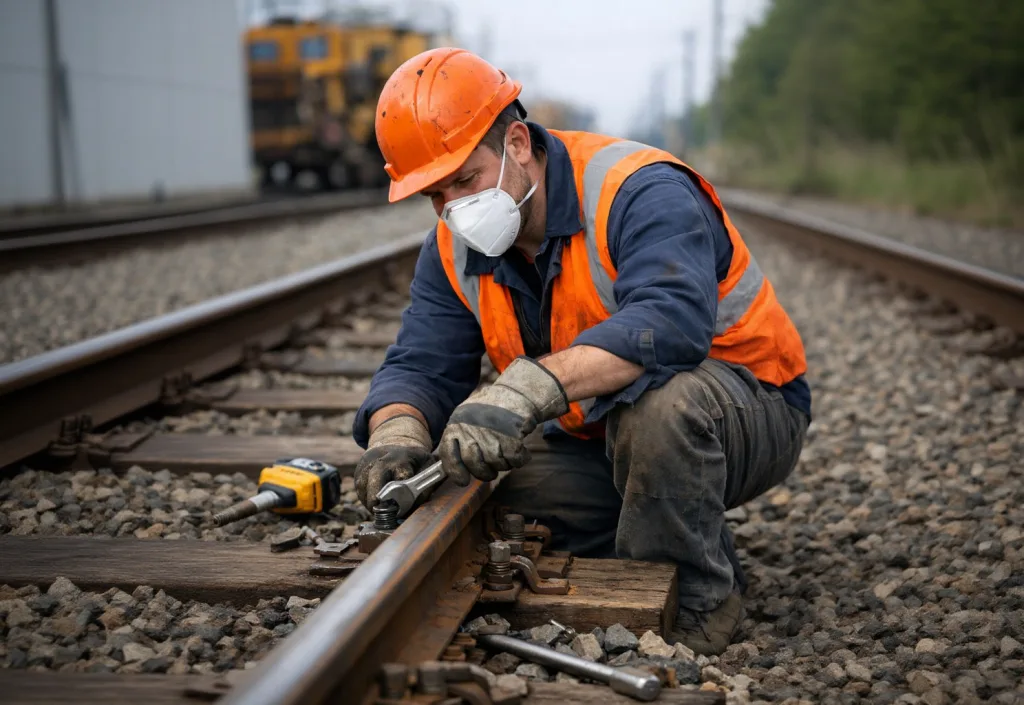
Breathing hazards are “silent killers” because you often cannot see them. Whether you need a simple N95 dust mask for sanding or a heavy-duty full-face gas mask for painting, respiratory protection is non-negotiable.
- The Standard: N95 (NIOSH) or FFP2/FFP3 (EN).
4. Head & Eye Protection
Flying debris is a major threat on construction sites. Therefore, hard hats and safety goggles are basic requirements.
- Tip: Always ensure your safety glasses have side shields to protect against splashes from all angles.
5. High-Visibility Clothing (Hi-Vis)
In a busy warehouse with forklifts, being seen is being safe. Hi-vis clothing (vests and jackets) uses reflective materials to ensure vehicle operators can see workers in low light.
3. How to Choose the Right PPE (A Buyer’s Guide)
Buying safety equipment is an investment. However, buying the wrong equipment is a waste of money. Here is how to choose correctly:
- Assess the Hazard: Do not buy “general” gloves. If you handle oil, buy nitrile coated gloves. If you handle glass, buy Level 5 Cut Resistant gloves. Specificity saves hands.
- Check the Fit: If PPE is uncomfortable, workers will take it off. Ensure you buy adjustable gear or multiple sizes (S, M, L, XL).
- Verify the Certification: Cheap, uncertified gear is dangerous. Always ask your safety equipment supplier for the datasheet (CE, ANSI, or ISO certification).
4. Frequently Asked Questions (FAQ)
What are the 3 main types of PPE?
While there are many categories, the three most common are Respiratory Protection (masks), Hand Protection (gloves), and Foot Protection (steel toe boots).
Is it the employer’s responsibility to provide PPE?
Yes. In most countries (including under OSHA laws), the employer is legally required to assess hazards and provide appropriate Personal Protective Equipment to workers at no cost.
How often should PPE be replaced?
It depends on the item. Disposable items (like dust masks and nitrile gloves) must be replaced after every use. Durable items (like helmets and boots) should be replaced immediately if they show signs of cracks, dents, or wear.
5. Why Partner with Reliable Safety Equipment Suppliers?
Sourcing your gear from verified safety equipment suppliers ensures quality and compliance. Because you aren’t just buying clothes; you are buying certified protection that keeps your business legal and your workers alive.
In conclusion, whether you need bulk nitrile gloves or wholesale PPE, choosing quality is the smartest investment you can make.